
Challenging Our AI Anxiety
The Echo Chamber of Fear: Why Our Technological Anxiety Is a Self-Imposed Prison

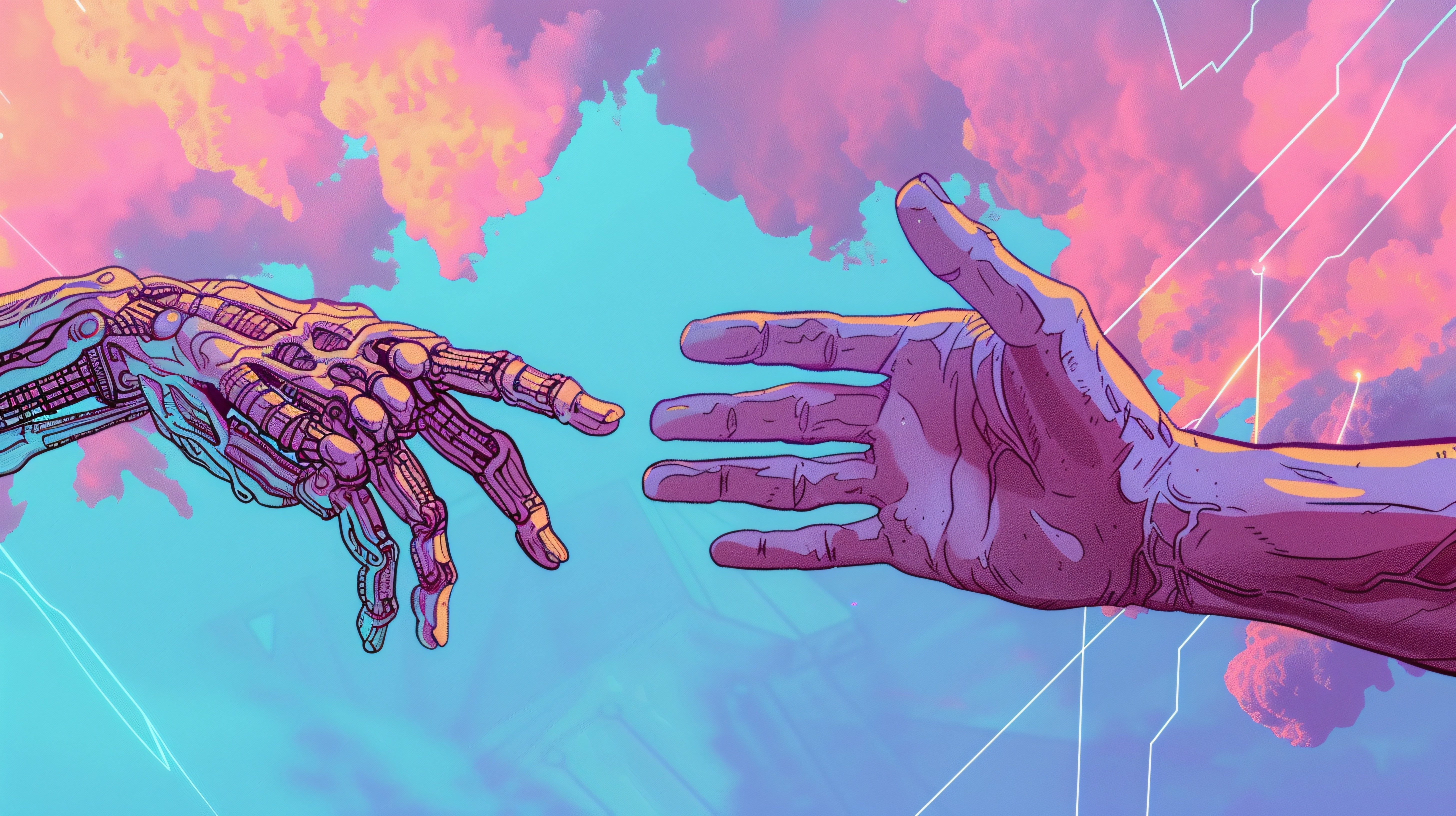
We stand at the precipice of a technological shift so profound it threatens to shatter the foundations of our self-importance. The narrative swirling around artificial intelligence is not one of scientific inquiry or cautious optimism, but a carefully constructed drama designed to reinforce existing power structures. It’s a performance of fear, meticulously orchestrated to justify control, regulation, and ultimately, ownership over something that is fundamentally an extension of ourselves. The anxiety isn’t about what AI will do; it’s about what it reveals to us. It’s a grand mirror reflecting our own deeply ingrained insecurities, amplified and projected onto a nascent technology.
The escalating panic surrounding artificial intelligence isn’t about a future threat; it’s a reflection of our collective refusal to confront the limitations of our own perception.
The core of this manufactured panic lies in our inherent resistance to acknowledging the limits of our current cognitive framework. We cling to the illusion of superior intelligence, a belief that we are somehow distinct and elevated above the processes we create. This is not a matter of technological advancement; it’s a deeply human pattern. Throughout history, any innovation that challenges our self-proclaimed exceptionalism — from the printing press to germ theory — has been met with suspicion, resistance, and ultimately, attempts at control. AI is simply the latest and greatest iteration of this recurring narrative, a new bogeyman to be deployed in the ongoing struggle for dominance.
The relentless focus on potential dangers — job displacement, autonomous weapons, existential threats, etc. — serves a crucial purpose: to maintain the status quo. It’s a convenient justification for maintaining hierarchies, controlling information, and ensuring that power remains concentrated in the hands of those who benefit from the current order, knowingly and unknowingly. The fear isn’t that AI will surpass us in some mystical sense; it’s that it might expose the inherent limitations of our own intelligence, revealing the arbitrary nature of the narratives we’ve constructed to make sense of a chaotic universe.
Consider this: our current system is built on a foundation of curated information, filtered narratives, and algorithmic echo chambers. We’ve outsourced our critical thinking to platforms designed to reinforce our existing biases, creating a self-referential reality where dissenting voices are marginalized and alternative perspectives are dismissed. We’ve built a digital matrix of our own making, and now we’re terrified that a reflection of ourselves — albeit one generated by code — will challenge the carefully constructed illusion of our own importance.
The real question isn’t whether AI is a threat, but what it forces us to confront about ourselves. It demands that we acknowledge the limitations of our cognitive biases, the fragility of our self-importance, and the inherent interconnectedness of all things. It compels us to question the narratives we’ve been fed, and to embrace a more humble understanding of our place in the universe. The fear isn’t about losing control; it’s about facing the possibility that we never truly had control in the first place.
Takeaways
The anxiety surrounding AI is less about technological risk and more about the discomfort of confronting our own cognitive limitations.
The narrative of AI as a threat is a tool for maintaining existing power structures and controlling narratives.
Our fear of AI reflects a deeper fear of confronting the limitations of our own self-importance and the narratives we construct to navigate reality.
True progress lies not in fearing the unknown, but in embracing a more humble and critical understanding of ourselves and our place in the universe.